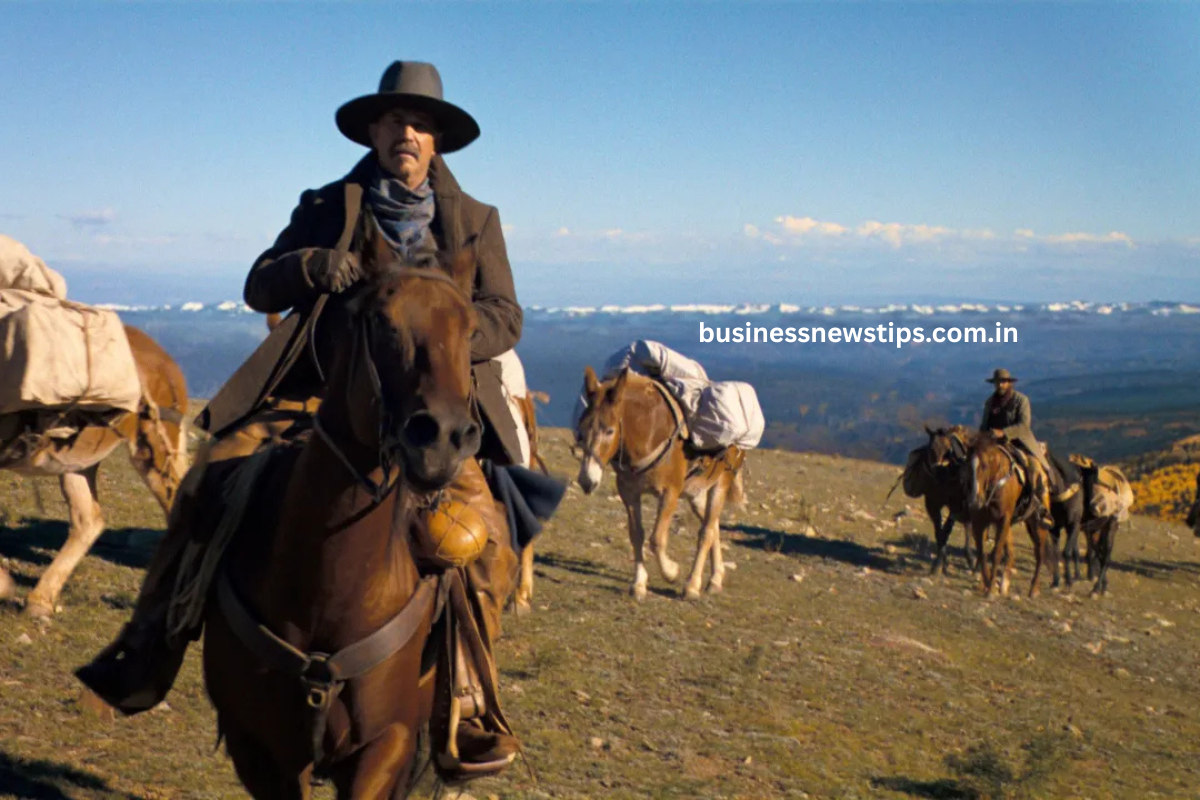
As the sun sets on The Film That Lit My Fuse, a video series born in the stillness of a locked-down Hollywood, it feels fitting that Oscar-winning actor and director Kevin Costner should be its final guest. With the premiere of Horizon: An American Saga — Part 2 at the Venice Film Festival, Costner brings this intimate series to a powerful close. In a special extended episode, Costner shares how the epics of the past helped shape his own storytelling legacy, and how he is betting big on Horizon, a four-part Western saga that spans generations, geographies, and a grand vision of American identity.
The Birth of Fuse: A Creative Lifeline in the Pandemic
The Film That Lit My Fuse began at a time when Hollywood, like much of the world, was shuttered and uncertain. Created by Deadline’s Mike Fleming Jr., the series offered an antidote to that cultural paralysis—a space where storytellers could reflect on the films and creators that sparked their artistic fires. It was never about flash or speed; it was about depth, memory, and the emotional legacy of cinema.
Over its run, Fuse featured some of the industry’s most revered voices: Francis Ford Coppola, Nicolas Cage, Michelle Yeoh, Sylvester Stallone, Jamie Lee Curtis, the late William Friedkin, and many more. These conversations weren’t just interviews—they were tributes to film’s power to shape lives and ambitions.
Costner’s Legacy: A Storyteller With Skin in the Game
For Costner, storytelling has never been passive. From Dances with Wolves to Field of Dreams, he has invested not just as a performer but as a producer, director, and passionate believer in cinematic vision. In Horizon, he’s done all of that and more.
Horizon: An American Saga is not merely a film series—it’s an event. Spanning 12 hours across four movies, it explores the consequences of Manifest Destiny: the settlers who chased dreams of prosperity, and the Native Americans who were forced to confront a wave of encroachment and destruction. The ambition is staggering, and so is the risk.
Costner self-financed a significant portion of the production, betting not only on the story’s merit but also on the audience’s appetite for immersive, sweeping historical epics. It’s a gamble reminiscent of his past—remember Waterworld? A film once mocked, now profitable through international markets and cult appreciation.
Venice & Vindication?
Premiering Horizon: Part 2 at Venice isn’t just about prestige—it’s a strategic move. Costner hopes that festival buzz, coupled with the first film’s release on Max, will create momentum for the next installments. Though the first chapter underperformed at the box office, Costner is unshaken. For him, the long game matters more than the opening weekend.
And indeed, he’s already got the scripts for the final two parts ready. If the audience comes, he’ll be ready to deliver.
Fuse Finale: A Master Reflects
In his Fuse segment, Costner delves deep into the films that shaped him. He speaks with reverence about the epics—Lawrence of Arabia, The Searchers, How the West Was Won—that left a lasting imprint on his imagination. He talks about the beauty of wide landscapes, the silence between words, and the moral complexity of characters who navigate uncharted territory, literally and figuratively.
What stands out is not just Costner’s cinematic literacy but his unwavering faith in story. He believes in the power of a tale well told, in characters that evolve over time, and in the emotional payoffs that come from patience and persistence.
The Changing Landscape of Film
Costner is candid about the challenges of making original IP in today’s franchise-heavy climate. Studios prefer the safety of established brands. Yet here he is, trying to will a new mythology into existence. He believes Horizon offers something Hollywood sorely needs: fresh perspective, historical grounding, and a return to emotionally resonant storytelling.
He’s not blind to the uphill battle. Getting audiences into theaters for a multi-part historical epic isn’t easy in the era of TikTok, streaming, and fragmented attention spans. But Costner remains resolute. “It’s always worth it to tell a great story,” he says.
Beyond the Screen: Costner’s Enduring Appeal
Part of what makes Costner compelling is his authenticity. Whether he’s playing a baseball ghost-whisperer or a beleaguered frontier leader, he brings a sincerity that resonates. That same quality shines through in his Fuse episode.
He’s not chasing trends or algorithms—he’s chasing legacy. He wants to be remembered as someone who told the stories that mattered, even when the market said otherwise.
The End of Fuse, But Not the End of the Story
As The Film That Lit My Fuse concludes, it does so on a note of hope and defiance. Costner’s journey embodies the spirit of the series: reflective, ambitious, and unafraid to dream big.
Fuse may be retiring, but its impact endures. The series reminded us that cinema is more than entertainment—it’s inspiration, identity, and sometimes, a lifeline. And in Costner, the final torchbearer, we see all those truths reflected.
As he rides into the sunset with Horizon, one can’t help but hope his longshot pays off. Because when a storyteller bets on a story, sometimes that’s when the real magic begins.
Frequently Asked Questions
What is Horizon: An American Saga about?
Horizon: An American Saga is a four-part Western epic directed by Kevin Costner. The story spans multiple generations and explores the impact of Manifest Destiny, focusing on the settlers who sought new opportunities and the Native Americans who were forced to confront these encroaching settlers on their ancestral lands.
Why did Kevin Costner choose to create Horizon as a multi-part film series instead of a traditional TV series?
Costner wanted Horizon to feel like a grand theatrical experience, much like the epics of the past. He believes in the power of film to create immersive, emotionally impactful narratives and felt that a multi-part film series was the best way to tell such a sweeping, historical tale.
What is the significance of the Venice Film Festival premiere for Horizon: Part 2?
Premiering Horizon: Part 2 at the Venice Film Festival is a significant step for Costner’s vision of the series. It gives the film exposure on an international stage, creating buzz and anticipation for the second part while also hoping to boost the performance of the first film, which is streaming on Max.
How has Kevin Costner’s career influenced the development of Horizon?
Costner’s career has been defined by his involvement in epic storytelling, with past films like Dances with Wolves and Waterworld demonstrating his commitment to ambitious, large-scale projects. These experiences shaped his approach to Horizon, where he sought to blend historical drama with personal and cultural narratives.
Conclusion
As The Film That Lit My Fuse reaches its poignant conclusion with Kevin Costner, it underscores a deeper understanding of the drive that shapes not just an actor or director, but a storyteller. Through his work on Horizon: An American Saga, Costner proves that his passion for cinema is as unwavering as ever. With a career steeped in the belief that storytelling has the power to shape history and culture, Costner’s approach to Horizon serves as a reminder that the pursuit of meaningful, original content is not just about instant success—it’s about creating lasting legacies.
