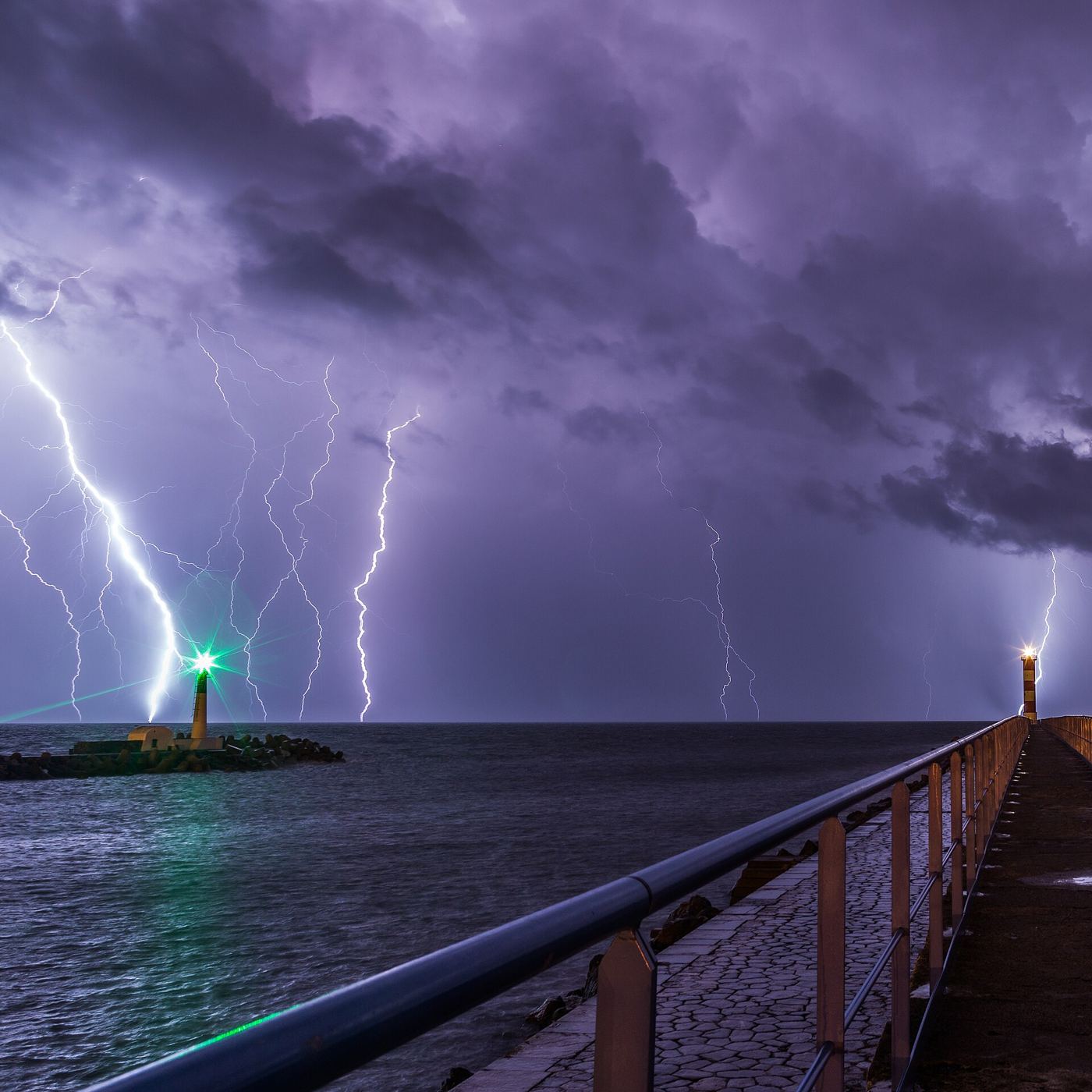
Atmospheric scientists using high speed cameras and ground based sensor networks are uncovering new detail about how thunderstorms build the electrical charges that end in lightning. Inside a storm cloud, colliding ice crystals and water droplets separate charge, creating powerful fields until the air itself breaks down in a sudden discharge. Mapping networks now locate individual flashes in three dimensions and in fractions of a second, revealing structures that older systems missed. The research improves understanding of storm development and may eventually sharpen very short term warnings for lightning, one of the most immediate weather hazards people face outdoors. The new instruments are relatively inexpensive to operate, raising hopes that denser networks can cover regions where lightning is frequent but scientific monitoring has historically been sparse.
What the Evidence Shows
Field campaigns place instruments beneath summer storms to measure electric fields, rainfall, and wind alongside the lightning maps. Researchers are also examining how lightning influences air chemistry, producing compounds that affect the atmosphere long after a storm passes. Safety experts use the findings to refine guidance for schools, sports grounds, farms, and construction sites, where decisions about stopping work must be made quickly. Climate scientists, meanwhile, are studying whether lightning patterns shift as storms change in a warmer world. For now, the practical message remains simple: when thunder is heard, people should move indoors and wait well after the last rumble. The teams publish their maps openly, allowing forecasters, researchers, and app developers to experiment with better alerts that give people a few extra, potentially lifesaving, minutes to reach proper shelter. Reporting and analysis from sources such as National Science Foundation track the same developments, and specialists following electrical processes inside thunderstorms say the direction is now consistent across independent lines of evidence.
The Wider Context
The wider context is a research landscape in which replication and open data now decide reputations. Findings connected to electrical processes inside thunderstorms are being checked by independent groups with shared datasets, and the teams involved publish their methods in full so rivals can test every step. That discipline is slower than a headline cycle, but it is why results in this area increasingly survive first contact with scrutiny.
What Happens Next
What happens next in the story of electrical processes inside thunderstorms will be decided by follow-up work already under way: larger samples, longer observation and instruments that have not yet come online. The researchers involved are unusually united on one point, that the current results justify the next investment of time and money. Readers will not have to wait long for the first tests of that claim. You can follow related developments in our coverage of science.
There is a practical lesson in all of this for readers deciding what to do today. Start with the verified facts, be wary of anyone promising certainty, and prefer reversible steps while the evidence is still developing. Circumstances differ by country, income and personal situation, so general guidance should always be weighed against your own context before you act on it in any significant or lasting way.
