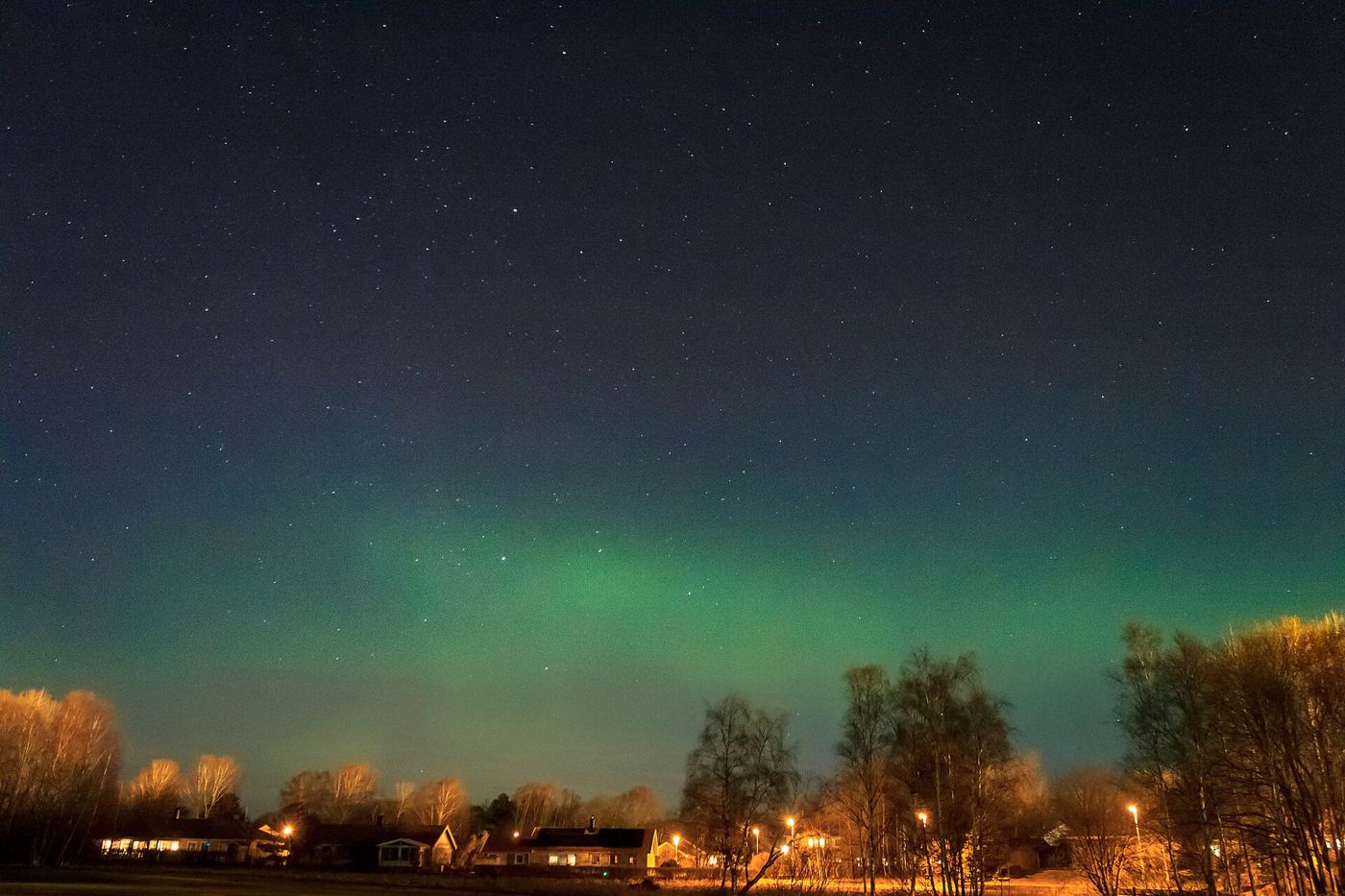
When a burst of charged particles leaves the Sun and strikes Earth, the night sky can light up with curtains of green, red and purple. Auroras form when solar particles collide with gases high in the atmosphere, exciting oxygen and nitrogen atoms that release the energy as light. They are usually confined to the polar regions, but during strong geomagnetic storms the display spreads far towards the equator, bringing the northern lights to skies where they are rarely seen. The Sun is currently near the peak of its roughly eleven-year activity cycle, so powerful storms and vivid auroras have become more frequent, thrilling skywatchers and photographers around the world. The colours depend on altitude and gas: green comes from oxygen around 100 kilometres up, while rare red auroras glow higher, where the air is thinner.
What the Evidence Shows
The same solar storms that create beautiful auroras can also threaten the technology modern life depends on. Intense geomagnetic activity can disrupt satellites, degrade GPS signals, interfere with radio communications and, in the worst cases, overload power grids. Solar observatories and space weather forecasters therefore track sunspots, solar flares and coronal mass ejections around the clock, giving operators hours of warning to protect sensitive equipment. For the public, the advice is simple: watch the forecast, find a dark sky away from city lights, and look north on a clear night when a storm is predicted. Power companies can reduce the risk by adjusting loads and disconnecting vulnerable transformers when a major storm is forecast, and satellite operators can put spacecraft into safe modes until the storm passes. Reporting and analysis from sources such as National Science Foundation track the same developments, and specialists following the solar storms painting auroras across the sky say the direction is now consistent across independent lines of evidence.
The Wider Context
The wider context is a research landscape in which replication and open data now decide reputations. Findings connected to the solar storms painting auroras across the sky are being checked by independent groups with shared datasets, and the teams involved publish their methods in full so rivals can test every step. That discipline is slower than a headline cycle, but it is why results in this area increasingly survive first contact with scrutiny.
What Happens Next
What happens next in the story of the solar storms painting auroras across the sky will be decided by follow-up work already under way: larger samples, longer observation and instruments that have not yet come online. The researchers involved are unusually united on one point, that the current results justify the next investment of time and money. Readers will not have to wait long for the first tests of that claim. You can follow related developments in our coverage of science.
There is a practical lesson in all of this for readers deciding what to do today. Start with the verified facts, be wary of anyone promising certainty, and prefer reversible steps while the evidence is still developing. Circumstances differ by country, income and personal situation, so general guidance should always be weighed against your own context before you act on it in any significant or lasting way.
