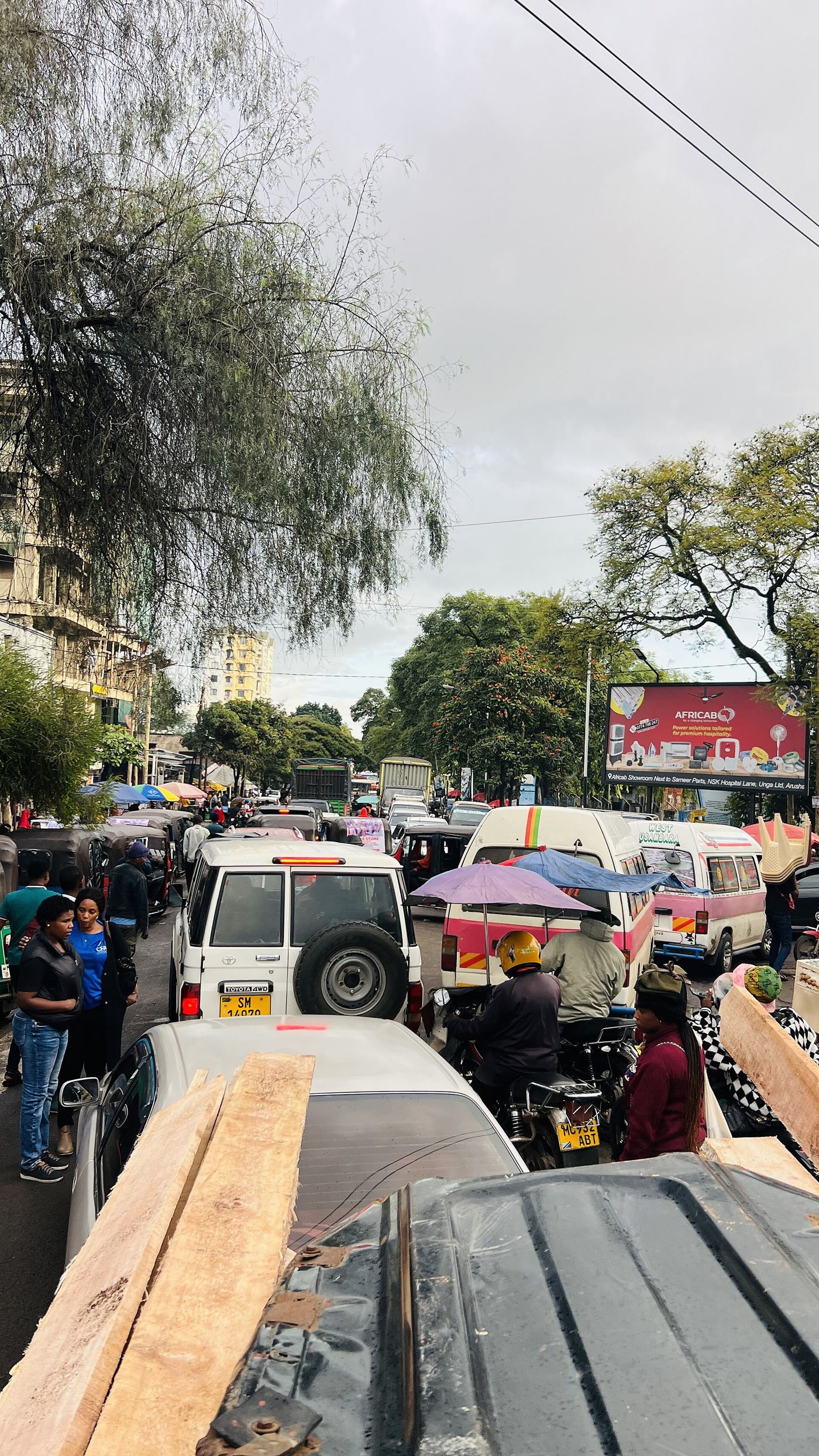
Living near constant road traffic may raise the risk of type 2 diabetes, according to a large Scandinavian study reported in November 2026. The analysis drew on eight studies from Sweden and Denmark, following large groups of people over many years to compare their exposure to traffic noise with their later health. The findings were published in the journal Environmental Health Perspectives as part of the NordSOUND research programme, which pools data from several long-running population studies. Traffic noise is already known to disturb sleep and raise stress hormones, and the researchers wanted to test whether those effects could also disturb blood sugar control. The study adds to growing evidence that noise is not just an annoyance but a health risk that reaches far beyond hearing.
What the Evidence Shows
The researchers say the link is plausible because chronic noise keeps the body in a state of alert, raising stress hormones that can make cells less responsive to insulin over time. Poor sleep caused by traffic noise may add to the effect, since short or broken sleep is already linked to a higher risk of diabetes. The study used detailed maps of road traffic noise around people’s homes rather than relying on what residents remembered hearing. The findings matter for city planning, because millions of people live beside busy roads and cannot simply move away from the sound. The researchers say quieter road surfaces, better insulation and traffic calming could become part of public health policy, alongside the diet and exercise advice that usually dominates diabetes prevention. Reporting and analysis from sources such as National Science Foundation track the same developments, and specialists following the traffic noise diabetes study say the direction is now consistent across independent lines of evidence.
The Wider Context
The wider context is a research landscape in which replication and open data now decide reputations. Findings connected to the traffic noise diabetes study are being checked by independent groups with shared datasets, and the teams involved publish their methods in full so rivals can test every step. That discipline is slower than a headline cycle, but it is why results in this area increasingly survive first contact with scrutiny.
What Happens Next
What happens next in the story of the traffic noise diabetes study will be decided by follow-up work already under way: larger samples, longer observation and instruments that have not yet come online. The researchers involved are unusually united on one point, that the current results justify the next investment of time and money. Readers will not have to wait long for the first tests of that claim. You can follow related developments in our coverage of science.
There is a practical lesson in all of this for readers deciding what to do today. Start with the verified facts, be wary of anyone promising certainty, and prefer reversible steps while the evidence is still developing. Circumstances differ by country, income and personal situation, so general guidance should always be weighed against your own context before you act on it in any significant or lasting way.
