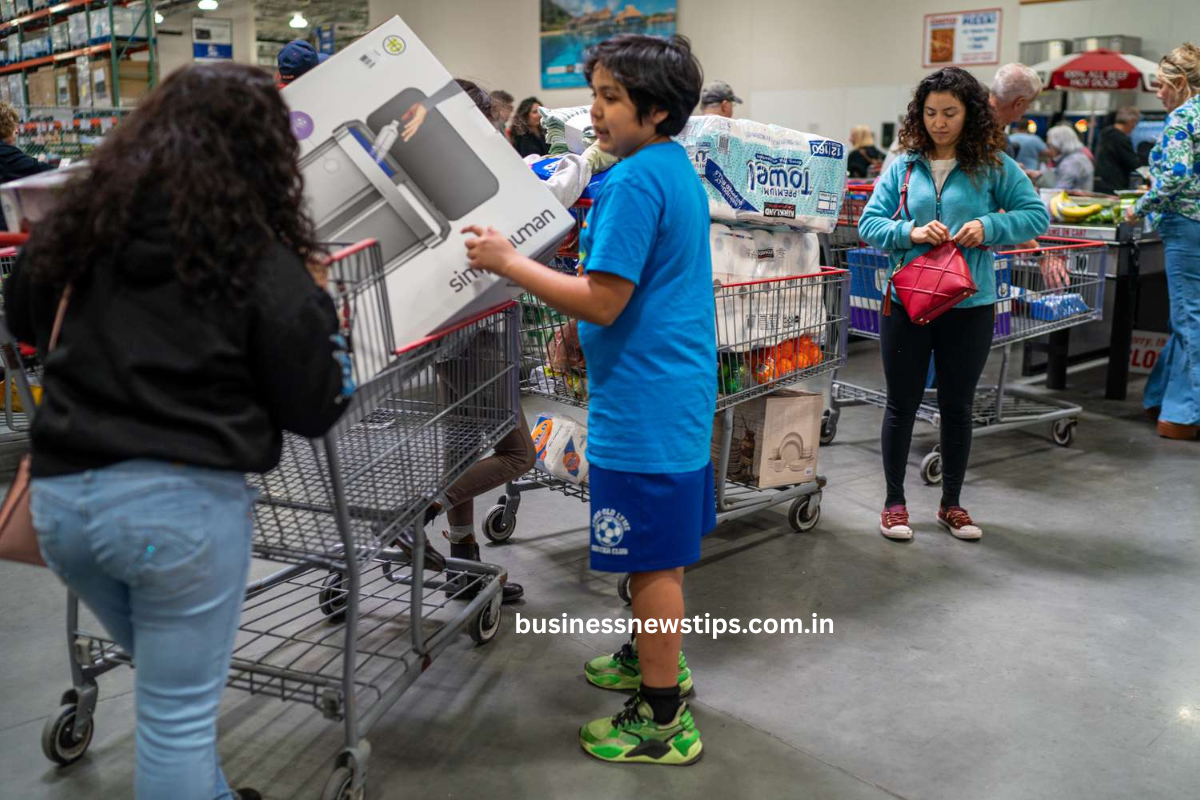
In recent months, consumers’ views of the economy have taken a severe hit, influenced largely by tariff policies and the uncertainty surrounding them. Despite the many challenges of the past, such as the 2008 financial crisis, consumer sentiment has fallen to levels not seen since the aftermath of the COVID-19 pandemic and its resulting inflationary pressures. This deterioration of sentiment is raising concerns about the future of the economy and, specifically, consumer spending—a significant pillar of economic growth.
The Plunge in Consumer Sentiment: A Deep Dive
One of the clearest indicators of how consumers feel about the economy is the Michigan Consumer Sentiment Index (MCSI), a key barometer used by economists to track attitudes towards economic conditions. In its preliminary April readings, the MCSI fell to its lowest point since June 2022, signaling a marked decline in consumer confidence. The Michigan Consumer Sentiment Index reached this low point during a time when the public was already dealing with the aftermath of COVID-19 lockdowns, which triggered a surge in inflation.
In fact, this sharp drop in consumer sentiment is even worse than what was recorded at any point during the 2008 financial crisis. The financial collapse of 2008, triggered by a meltdown in the mortgage market, caused a global economic crisis with widespread job losses, home foreclosures, and bank failures. Despite this dire situation, consumer sentiment never dipped as low as it has today, signaling just how deep current concerns are.
For many, the volatility and unpredictability tied to tariff policies have exacerbated the fear surrounding the economy’s future. The imposition of tariffs, which have led to higher prices and supply chain disruptions, is contributing to a pessimistic outlook for many consumers. Economists have warned that these tariffs, while intended to rebalance trade and protect American industries, may do more harm than good by driving up costs for consumers—especially those already burdened by inflationary pressures.
The Role of Tariffs in Shaping Economic Anxiety
At the heart of this economic uncertainty lies the ongoing debate over tariffs, particularly those imposed by former President Donald Trump during his administration. Trump’s tariff policies were designed to reduce the U.S. trade deficit, bring manufacturing jobs back to the country, and increase revenue for the federal government. The logic behind these tariffs was that they would make foreign-made goods more expensive, thereby encouraging Americans to purchase domestically produced items.
However, many economists argue that the consequences of such tariffs are not as clear-cut as they may seem. While tariffs might have had some success in addressing trade imbalances, they have also led to increased prices for everyday goods. The most direct effect of tariffs has been on consumers, who are now facing higher costs for products ranging from electronics to food, and in many cases, those costs are rising faster than wages.
The result is a sense of unease among consumers, as they face the dual challenges of rising costs and stagnant or slow-growing wages. This has led to a weakening of consumer confidence, a factor that could have serious repercussions for the broader economy. When consumer sentiment drops, there is often a corresponding decrease in consumer spending, which constitutes a significant portion of GDP (Gross Domestic Product).
Torsten Sløk, the Chief Economist at Apollo, highlighted this in a blog post, warning that the combination of weak consumer sentiment and increased uncertainty could lead to weaker spending in the future. Consumer spending has long been a driver of economic growth in the U.S., and any significant reduction in it could have far-reaching consequences.
The Fear of Stagnant Wages and Rising Prices
One of the most troubling signs emerging from the latest Michigan Consumer Sentiment Index data is that a significant portion of consumers now expect to lose purchasing power in the coming year. The survey revealed that more than three out of every five respondents anticipate prices to rise faster than wages, leading to a real erosion in their standard of living. This expectation of rising prices, combined with wage stagnation, leaves many consumers feeling financially squeezed.
More than half of the survey respondents—51% to be exact—expect business conditions to worsen over the next year. This marks the most pessimistic response ever recorded in the history of the Michigan Consumer Sentiment Index. The fact that such a large portion of the population expects a further downturn in business conditions highlights the growing sense of economic pessimism among American consumers.
What makes this particularly concerning is the fact that consumer sentiment often serves as a leading indicator of future economic behavior. When consumers expect tougher times ahead, they tend to pull back on spending, which in turn can slow economic growth. Since consumer spending is a major driver of GDP, any decrease in this area can lead to a ripple effect throughout the economy, potentially leading to a recession.
How Tariffs Affect Different Consumer Groups
While tariffs affect the broader economy, they do not impact all consumers equally. Low- and middle-income households are often the hardest hit by rising prices, as they spend a larger portion of their income on basic goods and services. Higher-income households, while still impacted by price increases, generally have more disposable income to absorb these costs.
For example, the tariffs on Chinese goods, which have been a central focus of trade policy in recent years, have led to price increases in many consumer goods, including electronics, clothing, and household goods. For lower-income families, who are already stretched thin by rising housing and healthcare costs, the impact of these price hikes can be particularly severe.
On the other hand, businesses that rely on affordable imported goods to produce their products have also been affected by tariffs. Many have passed these costs onto consumers in the form of higher prices, leading to inflationary pressures. At the same time, businesses in sectors that rely heavily on exports may have been hurt by retaliatory tariffs imposed by other countries.
The Impact on Consumer Spending
Weaker consumer sentiment often signals a reduction in consumer spending, which is a major concern for economists. A reduction in spending can have a cascading effect on the economy, leading to lower demand for goods and services, and potentially stalling economic growth. When consumers are uncertain about the future, they are less likely to make big-ticket purchases or engage in discretionary spending.
This decline in consumer spending can lead to lower profits for businesses, especially those that rely on consumer demand for their products and services. This, in turn, can result in slower job growth, layoffs, or even business closures. The interconnected nature of consumer sentiment and economic activity means that weaker confidence can lead to a cycle of economic decline.
Historically, consumer sentiment has been closely tied to the health of the economy. In times of economic stability and growth, consumer sentiment tends to be high, as people feel more confident about their financial future. Conversely, when the economy is struggling, sentiment falls as consumers become more cautious about spending.
Looking Ahead: What Does This Mean for the Future?
As we look to the future, the decline in consumer sentiment raises several important questions for economists and policymakers alike. How will the uncertainty surrounding tariffs and trade policies evolve in the coming months? Will consumer confidence improve if inflation moderates, or will rising prices continue to weigh heavily on consumers?
The answer to these questions will likely depend on a variety of factors, including the trajectory of inflation, the resolution of trade disputes, and the broader economic conditions that emerge in the wake of the pandemic. However, one thing is clear: if consumer sentiment continues to remain weak, the economic recovery could face significant challenges.
The impact of tariffs, inflation, and economic uncertainty on consumer sentiment is something that policymakers need to closely monitor in the months ahead. Consumer confidence plays a crucial role in sustaining economic growth, and if that confidence falters, it could hinder the broader recovery. As such, understanding the reasons behind the current decline in sentiment and addressing the concerns that are driving it will be key to ensuring a stable economic future.
Frequently Asked Question
Why has consumer sentiment dropped so drastically?
Consumer sentiment has dropped due to a combination of factors, primarily the uncertainty surrounding tariffs and rising inflation. The tariffs, especially those imposed during the Trump administration, have led to higher prices for goods, which is eroding purchasing power. Coupled with stagnant wages, this has made many consumers feel financially strained, causing a significant drop in confidence about the future economy.
How does the Michigan Consumer Sentiment Index reflect consumer confidence?
The Michigan Consumer Sentiment Index (MCSI) is a widely-used measure that gauges how consumers feel about the current and future state of the economy. It is based on surveys asking consumers about their perceptions of their financial situation, business conditions, and the broader economy. A low index score, like the one seen in April 2022, signals pessimism and a decline in consumer confidence.
How do tariffs affect consumers directly?
Tariffs increase the cost of imported goods by imposing taxes on products coming into the U.S. While the goal of these tariffs is to address trade imbalances, they often result in higher prices for consumers. For instance, the tariffs on Chinese goods have made items like electronics, clothing, and household goods more expensive, directly impacting consumers’ budgets.
Are tariffs helping or hurting the economy?
Tariffs have a mixed impact. On one hand, they aim to bring manufacturing jobs back to the U.S. and reduce the trade deficit. On the other hand, economists argue that they increase costs for consumers and businesses, leading to inflationary pressures. As a result, while tariffs might benefit certain industries, the broader economy—particularly consumers—may suffer from higher prices and decreased purchasing power.
How does weakened consumer sentiment affect the economy?
Weakened consumer sentiment is concerning because it often leads to reduced consumer spending, which is a key driver of economic growth. When people are less confident about the future, they tend to cut back on spending, especially on non-essential items. This can slow down demand for goods and services, hurt businesses, and potentially lead to slower economic growth or even a recession.
What is the link between consumer spending and GDP?
Consumer spending is a significant component of Gross Domestic Product (GDP), which is a measure of the total value of goods and services produced in an economy. When consumers cut back on spending, it can lead to slower economic growth because businesses see reduced demand. This, in turn, can result in lower production, fewer jobs, and slower economic expansion.
How do tariffs affect different income groups?
Lower- and middle-income households are generally hit harder by tariffs because they spend a larger portion of their income on basic goods and services. These households are more likely to experience the negative effects of higher prices on everyday items. On the other hand, wealthier individuals may be able to absorb these price increases more easily, as they spend a smaller proportion of their income on basic necessities.
How does the uncertainty surrounding tariffs impact businesses?
The uncertainty caused by tariffs can make it difficult for businesses to plan and forecast. Companies may struggle with rising costs, changes in supply chains, and potential retaliatory tariffs from other countries. This uncertainty can lead to delayed investments, hiring freezes, or even layoffs, affecting overall economic stability.
What percentage of consumers expect prices to rise faster than wages?
More than three out of every five consumers (over 60%) expect prices to rise faster than their wages in the coming year, according to the Michigan Consumer Sentiment Index. This concern about inflation and stagnant wages is contributing to a sense of financial insecurity for many households.
Why do economists worry about weak consumer sentiment?
Economists worry about weak consumer sentiment because it often signals a decline in future spending, which can hinder economic growth. When consumers are not confident in the economy, they are less likely to spend money, which affects businesses’ bottom lines and can lead to a slowdown in production and hiring. This can create a cycle that negatively impacts the broader economy.
How is the 2008 financial crisis different from the current economic situation?
The 2008 financial crisis was caused by a collapse in the housing market and widespread bank failures, leading to a global economic meltdown. While the current situation shares some similarities—such as concerns over inflation and consumer confidence—there are key differences. For instance, the current downturn is largely driven by rising inflation and trade tensions, including tariffs, rather than a banking crisis. Additionally, the COVID-19 pandemic and its aftermath have played a significant role in shaping the current economic environment.
What might happen if consumer confidence continues to decline?
If consumer confidence continues to decline, it could result in weaker consumer spending, which is a major concern for economists. A reduction in spending can lead to lower demand for goods and services, and businesses may scale back on production and hiring. This could slow down the recovery and potentially lead to a recession if the trend continues.
Can the economy recover if consumer sentiment remains low?
It is possible for the economy to recover if consumer sentiment remains low, but it will likely be slower and more challenging. Economic growth is driven not only by consumer spending but also by investment, government spending, and exports. If consumer spending continues to be weak, other factors such as government policies or private investments may need to stimulate the economy.
Conclusion
As the economy grapples with a range of challenges, from tariffs to inflation to uncertainty in global markets, consumer sentiment remains a key barometer for the future. While the tariffs imposed during the Trump administration may have been intended to address long-standing issues in trade and manufacturing, they have contributed to significant economic uncertainty. The result has been a sharp decline in consumer confidence, with many consumers now expecting prices to rise faster than wages and business conditions to worsen.
