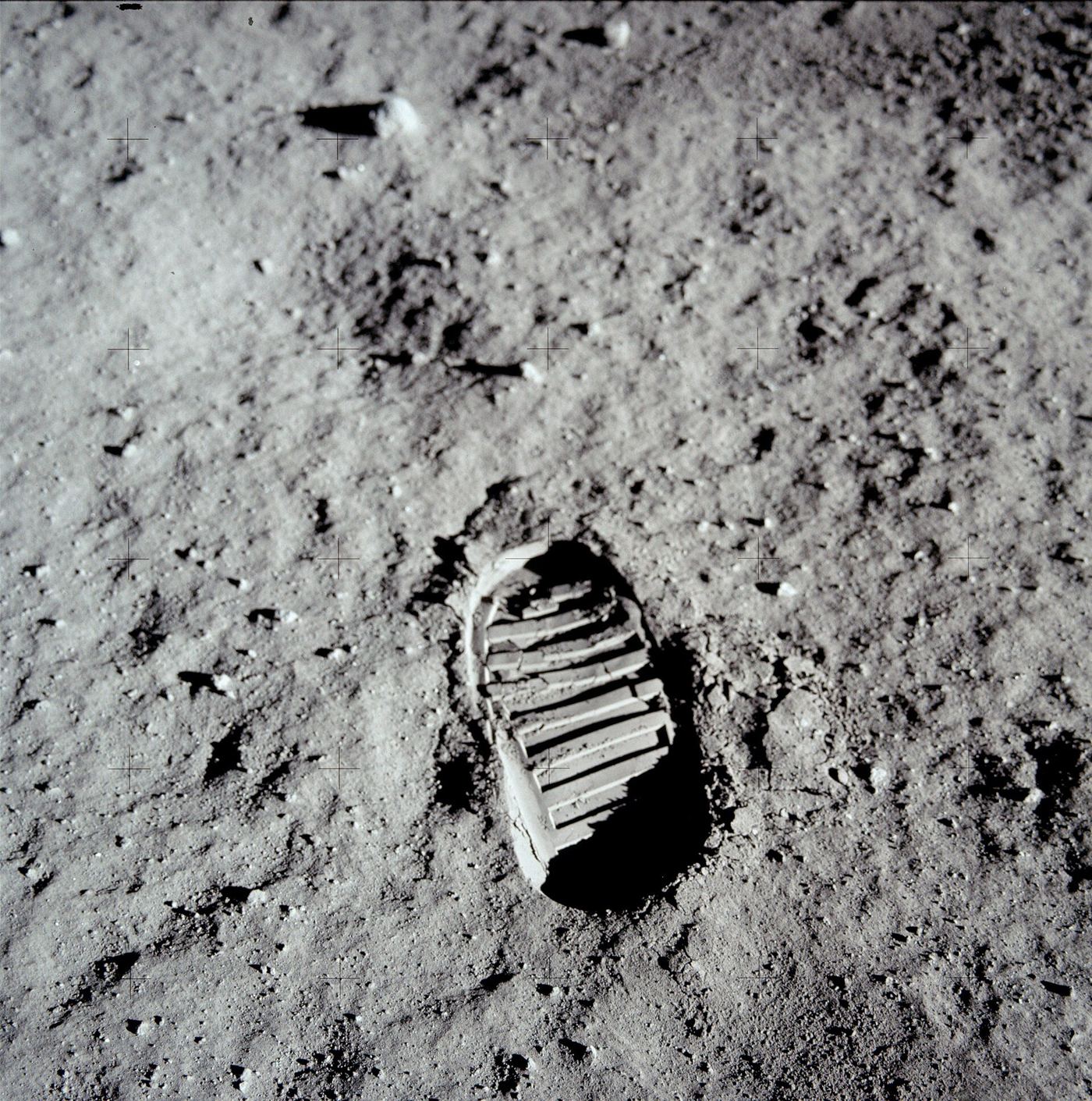
Seismometers placed on the Moon are listening for faint tremors that reveal what lies deep beneath its cratered crust. The Moon is far quieter than Earth, with no oceans, weather or plate tectonics to generate background noise, so sensitive instruments can detect remarkably small events. Some moonquakes originate hundreds of kilometres down, possibly triggered by Earth’s gravity repeatedly squeezing and releasing the lunar interior. Others are shallow and surprisingly strong, thought to come from faults adjusting as the Moon slowly cools and contracts. Each tremor sends waves through the interior, and their speed and reflections tell scientists about layers they can never drill into directly. Knowing whether the Moon has a partly molten zone above its core matters for understanding how it formed after a giant impact with the early Earth. It also matters practically, because future surface bases need realistic estimates of shaking risk. Engineers designing habitats must know whether local quakes could damage foundations, masts or buried equipment. A new generation of instruments, built to survive the freezing lunar night, promises longer and cleaner records than the pioneering Apollo-era stations achieved.
What the Evidence Shows
Building the lunar seismometer network is an exercise in endurance as much as sensitivity. Instruments must operate through two-week nights when temperatures fall far below anything experienced on Earth’s surface, running on carefully rationed battery power. Designers bury or shield sensors to reduce the creaks and pops caused by extreme surface temperature swings, which can masquerade as genuine quakes. Analysts then sort real events from impacts, because meteorites striking the Moon also ring its interior like a bell and provide useful calibration signals. Comparing tremors recorded at several sites lets researchers triangulate their sources and refine models of the crust’s thickness, which varies greatly between the near and far sides. Some scientists hope the data will settle whether deep moonquakes cluster in specific zones, hinting at pockets of remaining internal heat. The results feed directly into site selection for long-term exploration, favouring ground that is both stable and scientifically revealing. Every additional month of quiet listening sharpens the picture of a world that looks still from Earth but remains subtly active within. Reporting and analysis from sources such as National Science Foundation track the same developments, and specialists following the lunar seismometer network say the direction is now consistent across independent lines of evidence.
The Wider Context
The wider context is a research landscape in which replication and open data now decide reputations. Findings connected to the lunar seismometer network are being checked by independent groups with shared datasets, and the teams involved publish their methods in full so rivals can test every step. That discipline is slower than a headline cycle, but it is why results in this area increasingly survive first contact with scrutiny.
What Happens Next
What happens next in the story of the lunar seismometer network will be decided by follow-up work already under way: larger samples, longer observation and instruments that have not yet come online. The researchers involved are unusually united on one point, that the current results justify the next investment of time and money. Readers will not have to wait long for the first tests of that claim. You can follow related developments in our coverage of science.
There is a practical lesson in all of this for readers deciding what to do today. Start with the verified facts, be wary of anyone promising certainty, and prefer reversible steps while the evidence is still developing. Circumstances differ by country, income and personal situation, so general guidance should always be weighed against your own context before you act on it in any significant or lasting way.
