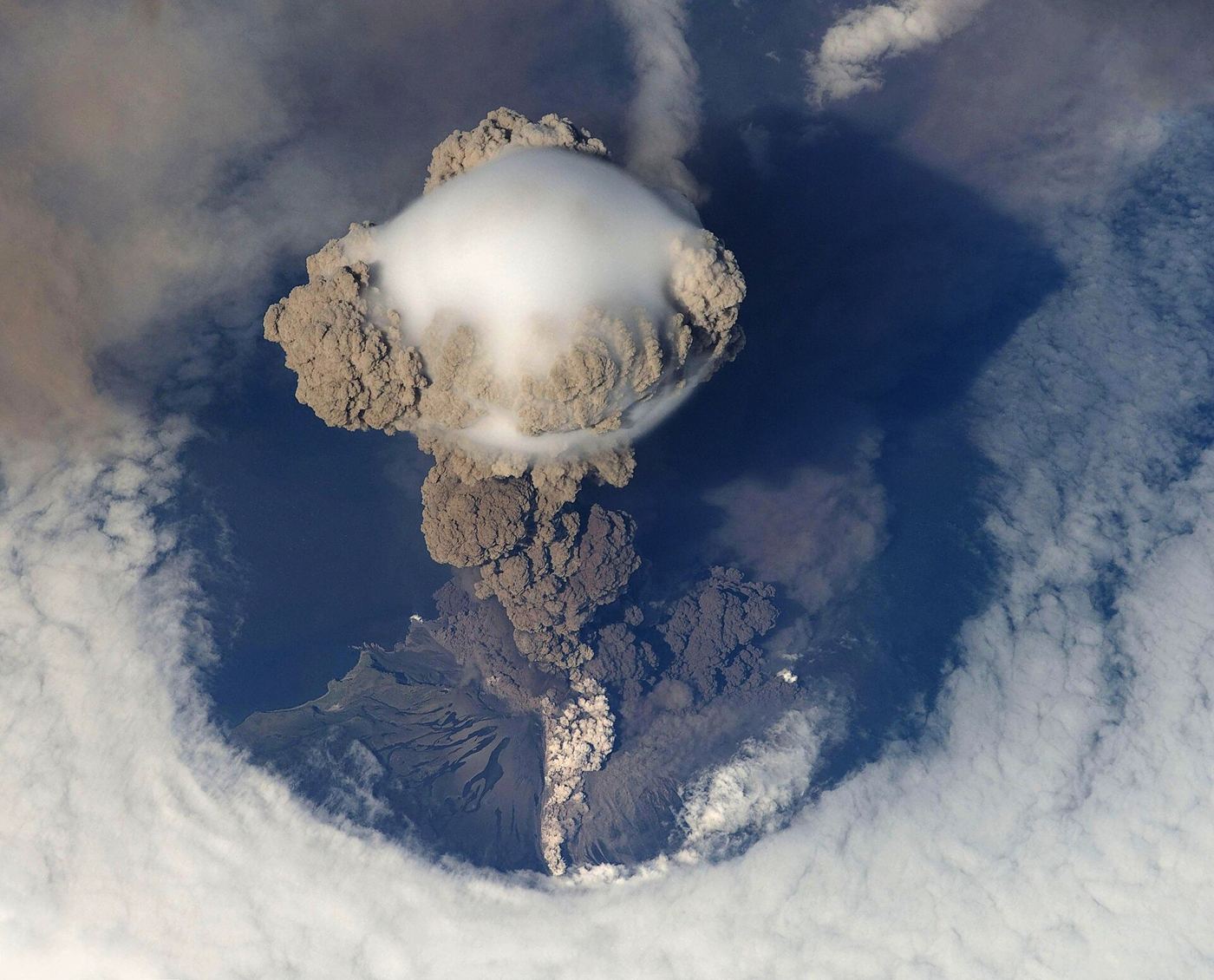
Sensors that continuously measure gases escaping from volcanoes are giving observatories earlier warnings that magma is rising toward the surface, researchers report. Changes in sulphur dioxide, carbon dioxide and other gases often appear before ground deformation or earthquake swarms become clear, offering a valuable extra window for evacuation planning. New instruments can now operate in harsh, corrosive conditions for months at a time, sending data back even when bad weather prevents field visits. Teams are combining gas readings with satellite observations and seismic records to build a fuller picture of what is happening underground, rather than relying on any single signal. The approach is proving especially useful at island volcanoes, where populations live close to the crater and roads can be cut quickly by ash or lava. Scientists caution that gas signals vary between volcanoes, so each site needs its own baseline built over years of quiet and restless periods. Without that history, a rise in gas could be misread as either a false alarm or a missed warning.
What the Evidence Shows
The next step is turning faster warnings into decisions that communities trust, since an evacuation that proves unnecessary can erode confidence for the next alert. Specialists following volcanic gas monitoring say that observatories must explain uncertainty clearly, showing not only that a signal has changed but also how unusual that change is for that particular volcano. Training local officials and residents to understand alert levels is therefore as important as installing new hardware. Engineers are also working on cheaper, more rugged sensors that can be deployed at volcanoes with limited funding, where monitoring has historically been sparse. Drones and satellite passes can supplement ground stations, but they cannot replace continuous measurements during a crisis. If the technology spreads, researchers believe more volcanoes will move from surprise eruptions to managed emergencies, with hours gained translating directly into lives protected. Reporting and analysis from sources such as National Science Foundation track the same developments, and specialists following volcanic gas monitoring say the direction is now consistent across independent lines of evidence.
The Wider Context
The wider context is a research landscape in which replication and open data now decide reputations. Findings connected to volcanic gas monitoring are being checked by independent groups with shared datasets, and the teams involved publish their methods in full so rivals can test every step. That discipline is slower than a headline cycle, but it is why results in this area increasingly survive first contact with scrutiny.
What Happens Next
What happens next in the story of volcanic gas monitoring will be decided by follow-up work already under way: larger samples, longer observation and instruments that have not yet come online. The researchers involved are unusually united on one point, that the current results justify the next investment of time and money. Readers will not have to wait long for the first tests of that claim. You can follow related developments in our coverage of science.
There is a practical lesson in all of this for readers deciding what to do today. Start with the verified facts, be wary of anyone promising certainty, and prefer reversible steps while the evidence is still developing. Circumstances differ by country, income and personal situation, so general guidance should always be weighed against your own context before you act on it in any significant or lasting way.
