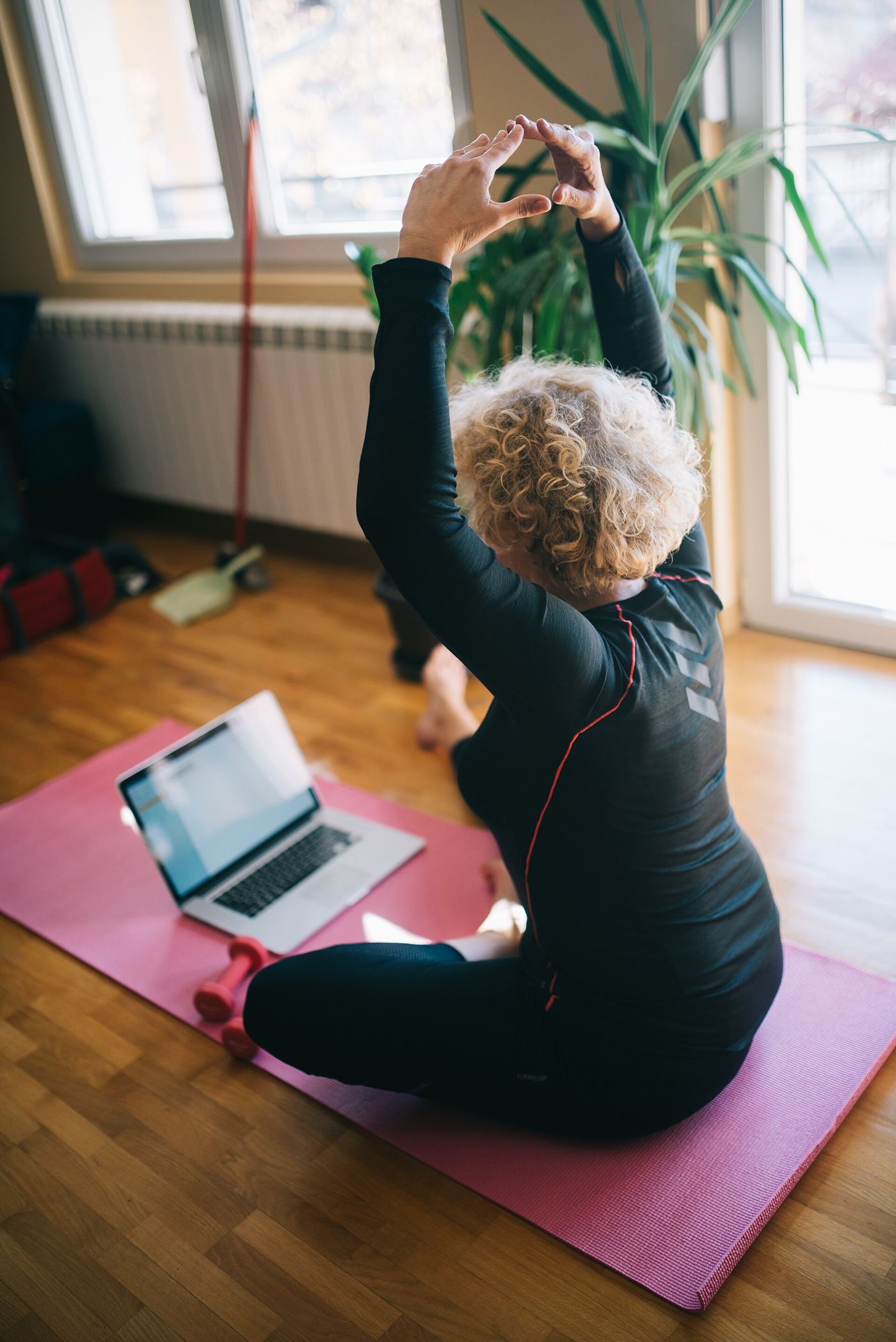
For many people, the first minutes of the day arrive with stiff shoulders, a tight back and a general sense of moving slowly. Physiotherapists say a short, gentle stretching routine at home can help the body transition from rest to activity without strain or drama. Specialists following morning stretching routines recommend keeping expectations modest. Ten unhurried minutes of neck turns, shoulder rolls, gentle side bends and ankle circles will not transform fitness, but they can make dressing, walking and working feel noticeably more comfortable. The key is moving within an easy range and never forcing a position. Breathing slowly while stretching encourages people to notice tension and release it gradually rather than pushing through it. A routine placed straight after getting out of bed, or while the kettle boils, stands a better chance of surviving busy mornings. Experts also suggest varying movements across the week so different joints and muscles share the attention. The practice suits most ages and fitness levels precisely because it can be adapted so easily to individual needs.
What the Evidence Shows
People who work at desks often benefit from adding gentle chest opening movements, which counter hours spent rounded over a keyboard. Those who stand all day may prefer calf and hip stretches that ease lower body tightness. Specialists following morning stretching routines say consistency matters far more than complexity. A simple sequence repeated daily will usually help more than an ambitious routine abandoned after a week. Anyone with a recent injury, severe joint pain or dizziness should check with a clinician before starting, and seated versions exist for people with balance concerns. Keeping a mat or folded towel in a visible place acts as a quiet reminder each morning. Over time, the routine can become a calm checkpoint before phones, news and demands take over the day. Ten minutes is a small investment, but easing into the morning with looser shoulders and steadier movement is a benefit most people feel quickly and appreciate daily. Reporting and analysis from sources such as National Institutes of Health track the same developments, and specialists following morning stretching routines say the direction is now consistent across independent lines of evidence.
The Wider Context
The wider context is a health system trying to move from treating illness late to preventing it early, against budgets that reward the opposite. Evidence around morning stretching routines is being weighed by guideline committees that ask two questions in order: does it work, and can ordinary services actually deliver it at scale. Many good ideas pass the first test and stall on the second.
What Happens Next
What happens next for morning stretching routines depends on the slow machinery of guidelines, funding and training catching up with the evidence. Patients asking about it today should expect honest answers that include uncertainty, and clinicians say a service that explains what is not yet known earns more trust than one that oversells. The research pipeline, at least, is moving in the right direction. You can follow related developments in our coverage of health.
None of this will be settled by a single announcement, study or product launch. The pattern to watch is accumulation: independent confirmations, honest reporting of failures and steady improvement in the underlying numbers. Readers who follow those signals, rather than the loudest claim of the week, will understand this subject better than most of the commentary surrounding it suggests is possible.
