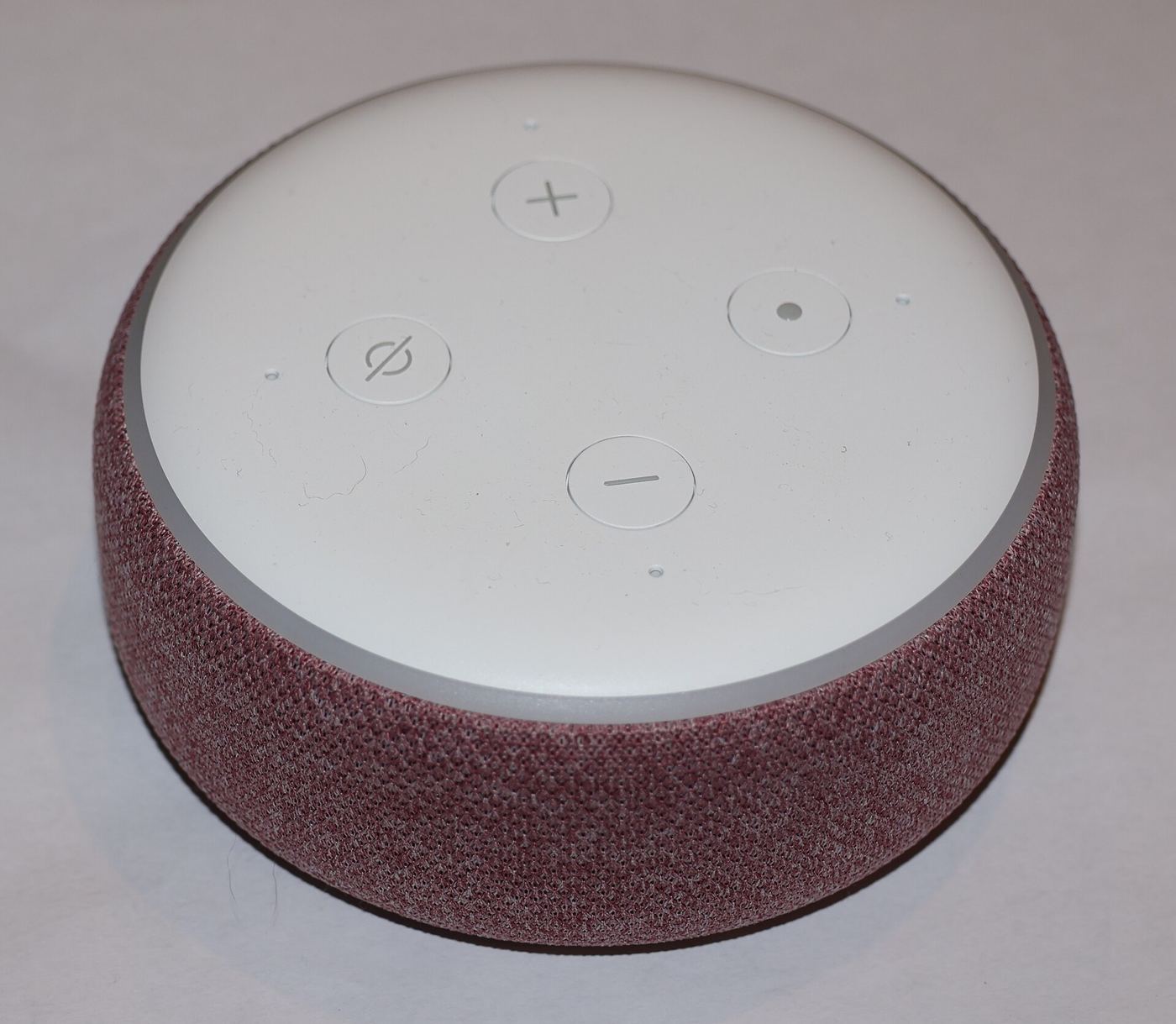
The most useful smart home device may turn out to be a simple dashboard. By gathering readings from smart plugs, thermostats, lights and appliances in one place, these displays show households where energy is actually going during the day. Many people are surprised by what they find. A games console left on standby, an old freezer working harder than it should, or heating running in an empty room can all hide inside an ordinary monthly bill. Seeing consumption hour by hour turns a vague worry about costs into a short list of practical changes that a household can act on immediately. Renters are joining in as well, using plug-in monitors and simple displays that need no permanent installation. A single smart plug on a suspicious appliance can answer a long-running family argument about what the tumble dryer or the old fridge really costs to run.
What the Evidence Shows
Good dashboards avoid overwhelming people with charts. They highlight the largest users first, compare this week with last week, and suggest simple adjustments such as shifting laundry to cheaper hours or lowering a thermostat schedule for empty afternoons. Some systems learn routines and send a gentle alert when usage looks unusual, which can also reveal a faulty appliance before it fails completely. Privacy deserves attention, because detailed energy data reveals when a home is occupied. Reputable systems explain what is stored and where. Used thoughtfully, the dashboard becomes less a gadget and more a household habit that quietly saves money. The next step is automation with restraint. Dashboards can suggest schedules, but households remain in control of approving them, and the best systems explain every recommendation in plain language. Small savings repeated daily, a few pence here and there, grow into meaningful amounts across a year. Just as importantly, people report feeling less helpless about their bills once they can finally see, clearly and calmly, where the money is going. Reporting and analysis from sources such as Wired track the same developments, and specialists following smart home dashboard say the direction is now consistent across independent lines of evidence.
The Wider Context
The wider context is an industry learning to ship capability and restraint together. Products built around smart home dashboard now launch with safety evaluations, usage data and rollback plans as standard, because enterprise buyers and regulators ask for them in the first meeting. Companies that treated those questions as friction are discovering they have become the purchase criteria.
What Happens Next
What happens next for smart home dashboard depends less on another breakthrough than on the unglamorous work of reliability, pricing and support. The buyers evaluating it now are not enthusiasts; they are operators with budgets and auditors, and their checklists will decide the timeline. On the evidence of the current pilots, the technology has earned the right to be judged by them. You can follow related developments in our coverage of technology.
None of this will be settled by a single announcement, study or product launch. The pattern to watch is accumulation: independent confirmations, honest reporting of failures and steady improvement in the underlying numbers. Readers who follow those signals, rather than the loudest claim of the week, will understand this subject better than most of the commentary surrounding it suggests is possible.
