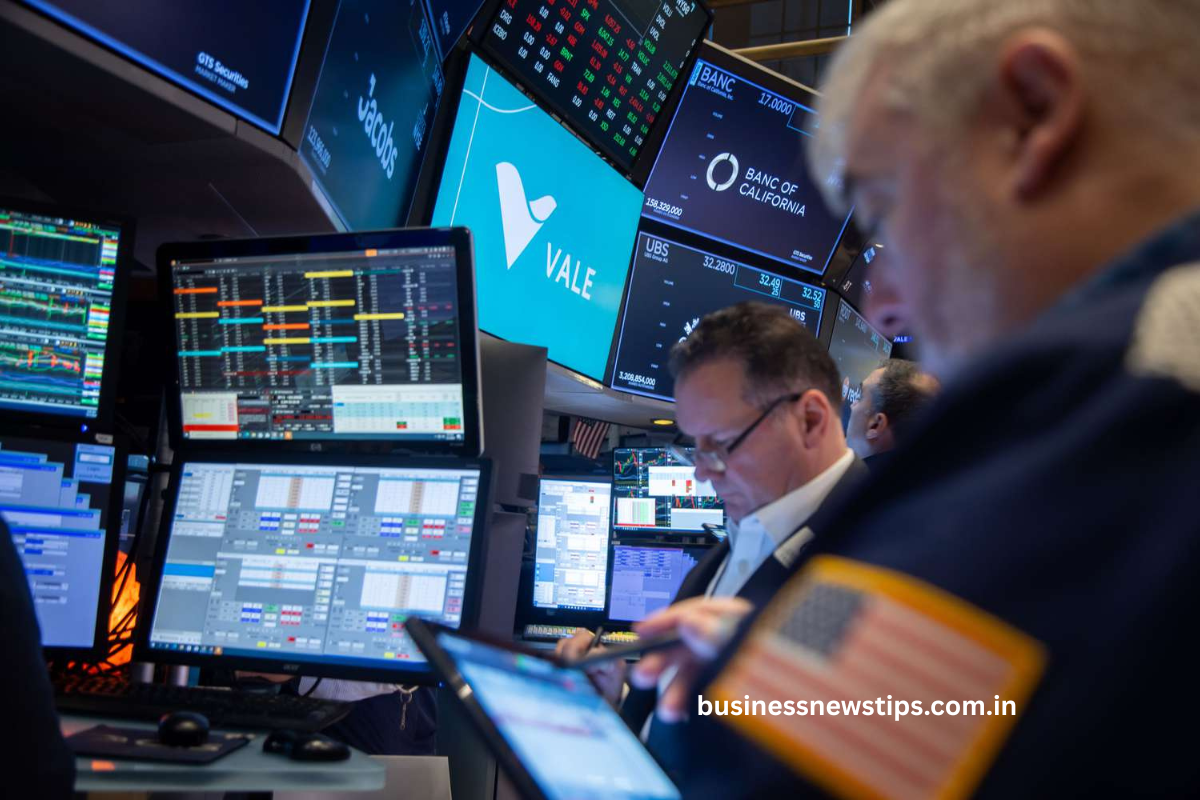
The global stock markets are facing heightened volatility, and U.S. stock futures are sinking as investors react to the ongoing selloff in response to the economic measures enacted by the Trump administration, particularly the imposition of tariffs on international goods. While the U.S. and China have been at odds for some time, the escalation of tariffs has reignited concerns about the potential for an economic slowdown, not only in the U.S. but also globally. The stock market, which often acts as a barometer for investor sentiment, has been seeing significant fluctuations, leading investors to reassess their positions and expectations for the future.
This article will break down the key developments driving this market downturn and offer a closer examination of the interconnected forces shaping investor decision-making. From the U.S. stock futures to the global selloff in Europe and Asia, and even the fall of cryptocurrencies like Bitcoin, these market movements provide a snapshot of investor nervousness. We will also explore Goldman Sachs’ recent downgrade of GDP projections and the heightened risks of a U.S. recession.
U.S. Stock Futures Extend Losses Amid Tariff-Induced Selloff
The latest trading data highlights a substantial dip in U.S. stock futures, as traders digest the ongoing impact of President Donald Trump’s tariffs on international trade. Dow Jones Industrial Average futures, which are often used as a proxy for the broader market, have dropped sharply, signaling that investor sentiment remains weak. This follows a dramatic two-day selloff last week that saw the blue-chip index lose a significant portion of its value. As markets were still reeling from last week’s sharp declines, the futures market was bracing for more losses as the effects of the tariffs continued to ripple through the economy.
The Nasdaq futures, which are more tech-heavy and closely tied to growth stocks, experienced an even steeper decline, reflecting the heightened volatility in tech and innovation sectors. The S&P 500 futures, which represent the broader market, are also down, indicating a widespread downturn that is affecting all sectors. The yield on the 10-year Treasury note has dropped, a sign that investors are moving into safer assets as riskier stocks take a hit.
Alongside these losses, oil futures have also fallen sharply, with crude oil trading lower. This decline is a reflection of the market’s concern that the ongoing trade tensions could disrupt global supply chains, leading to slower economic growth and reduced demand for commodities like oil. In contrast, gold futures have seen an uptick, as the yellow metal is often viewed as a safe haven during times of economic uncertainty.
Global Markets Sinking as Europe and Asia React to U.S. Tariffs
The fallout from President Trump’s tariffs is not limited to U.S. markets. Global stock indices are also grappling with steep declines as investors react to the growing uncertainty surrounding international trade. In Europe, the Stoxx Europe index, which tracks 600 of the largest companies across the continent, is experiencing significant losses, signaling a broad selloff in the region. Investors are particularly concerned about the potential for tariffs to disrupt established trade relationships between the U.S. and the European Union.
In Asia, the situation is even more dire. Japan’s Nikkei index, which represents the largest companies in Japan, has taken a considerable hit, reflecting widespread concerns about how global tariffs might affect Japan’s export-driven economy. Meanwhile, in Hong Kong, the Hang Seng index, which includes many of China’s biggest companies, has seen a dramatic decline, amplifying fears that the trade war could stifle growth in the world’s second-largest economy.
Across the globe, there has been a significant uptick in the VIX index, commonly known as Wall Street’s “fear gauge.” The VIX tracks the volatility of the S&P 500 index, and its sharp rise signals that investors are becoming increasingly anxious about the prospects of continued economic disruption. As of today, the VIX has surged to its highest levels since the early days of the COVID-19 pandemic, underscoring the level of unease that is currently gripping the markets.
The global selloff in equities is a reflection of widespread investor anxiety, with concerns about the growing economic impact of the tariffs and the lack of clarity on when or if trade tensions will subside. The ripple effect has been felt in virtually every corner of the financial world, with a clear indication that markets are in a precarious position.
Bitcoin Sell-Off Continues Amid Market Turmoil
In addition to the steep losses in traditional equity markets, cryptocurrencies have also come under pressure. Bitcoin, the pioneer of digital currencies, has seen its value plummet, reaching its lowest levels in several months. Traders are selling off Bitcoin as part of a broader risk-off sentiment sweeping through financial markets. This downturn is not just limited to Bitcoin; other cryptocurrencies are also feeling the heat as investor appetite for risk continues to shrink in light of the global economic uncertainty.
Bitcoin’s decline has taken cryptocurrency-related stocks with it. Companies involved in cryptocurrency mining, such as Mara Holdings and Riot Platforms, have seen their stock prices fall significantly. Even crypto brokerage platforms, such as Coinbase, have experienced declines in their stock prices as the market sentiment shifts. These losses in the cryptocurrency space further highlight the interconnectedness of global financial markets and the broad-based nature of the current selloff.
While Bitcoin has often been viewed as a hedge against traditional market volatility, the ongoing market turmoil is putting pressure on the digital asset as well. Bitcoin’s fall below certain price thresholds has led many investors to reevaluate its role in their portfolios, further contributing to the broader selloff.
Goldman Sachs Raises Recession Odds, Lowers GDP Outlook
As the global economic landscape continues to shift, major financial institutions are adjusting their forecasts. Goldman Sachs, one of the largest investment banks in the world, recently downgraded its outlook for U.S. economic growth. In a note released to investors, Goldman Sachs lowered its GDP forecast for 2025, now predicting slower growth than previously expected. The bank also raised its odds of a U.S. recession over the next 12 months, citing the growing risks posed by trade tensions and the impact of tariffs.
Goldman Sachs now projects that U.S. GDP will grow at a significantly slower pace in the coming years, with revised growth expectations for 2025 now pegged at just 0.5% year-over-year, down from an earlier forecast of 1%. In addition, the bank has lowered its full-year GDP projection for the U.S. to 1.3%, down from 1.5%. Goldman Sachs now estimates a 45% chance of a recession in the next year, up from its previous forecast of 35%.
This revision in Goldman Sachs’ economic outlook underscores the growing concerns over the potential long-term impact of trade tensions, particularly the tariffs imposed by the U.S. and retaliatory measures taken by other countries, such as China. With the risk of a recession now looming larger in the minds of investors, markets are bracing for further volatility as economic indicators continue to signal a slowdown.
Frequently Asked Questions
What caused the recent downturn in the stock market?
The recent stock market downturn is largely due to the impact of tariffs imposed by President Donald Trump’s administration and China’s retaliatory measures. These tariffs have sparked concerns about potential economic slowdowns, both in the U.S. and globally. This uncertainty has led to a selloff in both U.S. and international markets, including Europe, Japan, and Hong Kong.
How do U.S. tariffs affect global markets?
U.S. tariffs can disrupt international trade, particularly between major economies like the U.S. and China, and can lead to higher costs for goods. This not only affects businesses directly involved in international trade but also has a ripple effect on other sectors. Countries that rely on exports, like Japan and Germany, can be particularly vulnerable, leading to declines in global stock markets.
What is the VIX index, and why is it important now?
The VIX index, often referred to as the “fear gauge,” measures the market’s expectation of future volatility in the S&P 500. A higher VIX typically indicates increased uncertainty or fear among investors. As the tariff conflict continues to escalate and concerns about a potential recession grow, the VIX has surged, signaling heightened market volatility and investor anxiety.
Why has Bitcoin fallen during this market turmoil?
Bitcoin and other cryptocurrencies have traditionally been viewed as a hedge against traditional market volatility. However, in the current market environment, Bitcoin has fallen to its lowest levels since November due to broader market sell-offs. The general risk-off sentiment, where investors are looking to reduce exposure to volatile assets, has led to a decline in cryptocurrency prices as well.
How does the stock market selloff affect my investments?
If you have investments in stocks, you might see declines in your portfolio value as stock prices drop. However, the extent of the impact depends on your investment strategy, the sectors you’re invested in, and how long you’re planning to hold your assets. If you’re a long-term investor, temporary market declines may not significantly affect you, but it’s important to regularly review your portfolio and stay informed.
What is Goldman Sachs forecasting about the U.S. economy?
Goldman Sachs has lowered its U.S. GDP forecast for 2025, predicting a growth rate of just 0.5%, down from the previous estimate of 1%. They also raised their odds of a U.S. recession within the next 12 months to 45%, up from 35%. This revision is based on the ongoing trade tensions and their potential impact on the U.S. economy.
How can I protect my investments during times of economic uncertainty?
During times of market volatility, it’s important to stay diversified, reducing exposure to any single asset or sector. Consider safer investments like bonds or gold, which tend to perform better during periods of uncertainty. If you’re unsure, it might also be helpful to consult a financial advisor for personalized advice based on your investment goals and risk tolerance.
Will the stock market recover after this selloff?
It’s difficult to predict with certainty whether or when the stock market will recover. Markets can be cyclical, and downturns are often followed by periods of growth. However, the pace and magnitude of any recovery will depend on several factors, including the resolution of trade tensions, government fiscal policies, and broader economic conditions.
Why are oil prices dropping along with stock prices?
Oil prices are dropping as investors worry about the potential impact of tariffs and a slowing global economy. If economic growth slows down, demand for oil tends to decrease, leading to lower prices. Additionally, trade disruptions can affect supply chains, which may also weigh on oil markets.
Is this a good time to buy stocks?
While some may view a market downturn as an opportunity to buy stocks at a lower price, it’s essential to carefully assess your own financial situation, risk tolerance, and investment strategy. If you’re a long-term investor, declines in stock prices can present buying opportunities, but it’s important to do so strategically and not out of fear or panic.
What should I consider before making investment decisions during this time?
During times of volatility, it’s crucial to focus on your long-term goals and not make hasty decisions based on short-term market movements. Reevaluate your asset allocation, ensure your portfolio is diversified, and consider your risk tolerance. Consulting with a financial advisor can provide valuable insight tailored to your specific financial situation.
Can the U.S. economy avoid a recession despite the trade tensions?
While the potential for a recession has increased according to some analysts, it’s not guaranteed. The U.S. economy is large and diverse, with several factors influencing its direction. The resolution of trade disputes, fiscal and monetary policies, and consumer confidence could play a role in either avoiding or mitigating a recession. However, many economists are cautious due to the ongoing trade tensions and broader global economic challenges.
What does the market volatility mean for businesses?
For businesses, market volatility can mean higher uncertainty about future costs, demand, and profits. Companies that rely on international trade may face higher tariffs and disruption in their supply chains, which can lead to reduced earnings. On the other hand, companies in more resilient sectors, such as consumer staples or utilities, may be less affected by volatility and economic slowdowns.
How is this market downturn impacting global trade?
The market downturn is a reflection of the disruption caused by ongoing trade tensions, particularly between the U.S. and China. The tariffs have raised costs for businesses involved in cross-border trade, and there’s concern that a prolonged trade conflict could further disrupt global supply chains and reduce the flow of goods and services between major economies.
Should I panic during a market downturn?
It’s natural to feel uneasy during times of market volatility, but panic selling is rarely a sound investment strategy. History shows that markets recover over time, and reacting impulsively to downturns can result in missed opportunities when the market bounces back. It’s always a good idea to consult with a financial advisor to ensure you’re making informed decisions during periods of market stress.
Conclusion
The current selloff in global stock markets is a direct result of the increasing uncertainty surrounding international trade and the potential for a broader economic slowdown. From the U.S. stock futures to the global market declines in Europe and Asia, investors are facing a period of heightened risk. The decline in Bitcoin and other cryptocurrencies further illustrates the widespread market nervousness. In this environment, it is crucial for investors to carefully assess their portfolios and consider the potential for continued market volatility.
Goldman Sachs’ revised GDP forecast and its increased odds of a recession reflect the growing risks in the U.S. economy, and the market’s response to these shifts has been swift. With trade tensions still unresolved and the potential for further economic disruptions, investors must remain vigilant as they navigate these uncertain times. The road ahead may be rocky, but those who understand the underlying economic forces at play and make informed decisions may be better positioned to weather the storm.
